I share weekly actionable advice for people who use paper-based planning systems looking to live a more productive and creative life.
Is It Time to Stop?
|
Hey Reader If you were on a bus and realised you were going the wrong way, would you get off at the next stop, or just keep going? On one hand, getting off the bus immediately requires a little bit of discomfort. Maybe you have to have an awkward conversation with the driver or, at the very least, you have to get up from where you're sitting. Continuing on will certainly save you from that, but it comes with its own set of negatives. The further you let the bus take you, the further you're getting from where you actually wanted to be. Not only this, but if you eventually decide to get off the bus later, it's going to cost you more time (and likely money) to get back to where you started and then where you actually hoped to go. Don't worry, I'm not going to spend this whole email talking about buses 😝 But I do love the analogy for what I actually want to discuss with you 👀 The idea - The "sunk cost fallacy"When we're reluctant to change course or abandon a strategy because we already invested in starting and maintaining it, this is the sunk cost fallacy at work. The "sunk cost" is the resources that have already been used in undertaking a particular course of action. This could be our time, effort, energy and sometimes even money, or often it's a combination of them. The "fallacy" is when we let our previously spent resources justify further "spending". People have a greater tendency to continue an endeavour once they're invested time, effort, or money, even when that endeavour isn't aligned with what they want. In the case of our bus example, it's staying on the bus even though it's going in the wrong direction because: I've already spent a lot of time on the bus
I've already sat down and gotten comfortable
I've already paid for the bus ticket
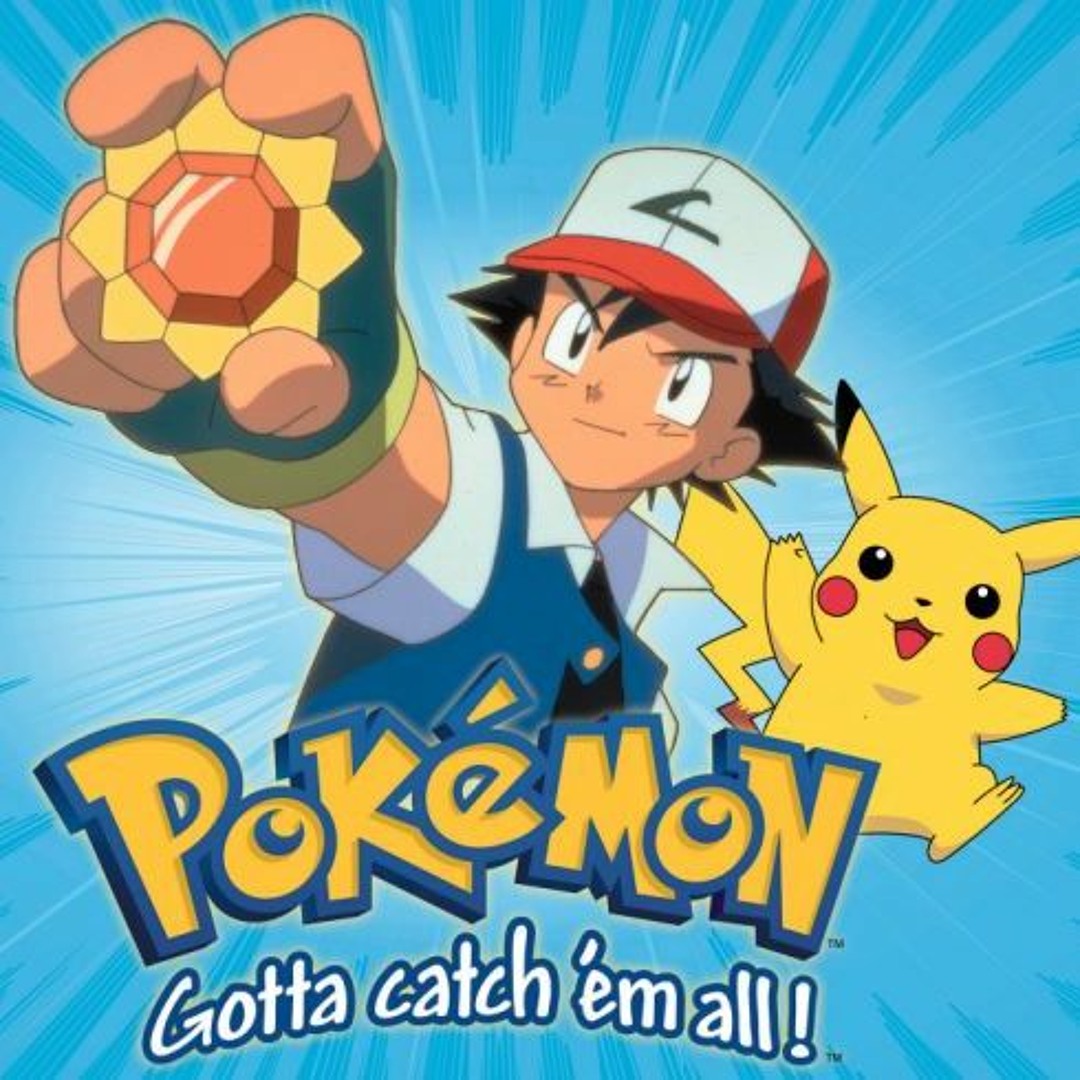
Usually we can identify that we've fallen victim to the sunk cost fallacy if the main reason for continuing is just because we don't want to "waste" the resources we've already spent. We end up ignoring or downplaying the benefits of making a change or quitting something entirely because we've already done so much, come so far, or spent...a lot 😛 We keep pouring more resources into a course of action that we know isn't going to be fruitful or satisfying, just because we've already been doing so. That is unless we decide to say "enough is enough" and make a change. The Living DexAn example of the sunk cost fallacy is one that Vogel recently identified for himself. As a long-time player of Pokémon, he has spent countless leisure hours dedicated to maintaining what is called a Living Dex, or a full index/collection of all Pokémon that have been released. This has taken him hours upon hours to not just set up initially, but also to maintain with each new generation of Pokémon released.
Sure, initially there were benefits to having this complete collection, and for a time it was fun to collect and order them. But not anymore. Vogel's decided that just because he's spent a lot of time making and maintaining his Living Dex, this doesn't mean he has to keep up with it. At this point in his Pokémon playing journey, keeping the Living Dex doesn't spark joy. The outcome isn't worth the effort, and his future resources (mainly time) will be better spent in other ways. Good work, Vogel! Jess vs the sunk cost fallacyI've fallen victim to this one a couple of times 😅 But I'm getting better! Some of the examples I have are:
The sunk cost fallacy can show up in a lot of life areas, but the first step towards making a change is just identifying where we're letting it dictate our next moves. Let's take actionTo check whether you are falling victim to the sunk cost fallacy, ask yourself the questions below: Are there any goals that I'm working on where the outcome doesn't feel like it's worth the effort?
Do I have any projects that I'm continuing with only because I feel like I've done so much already?
Are there any relationships in my life where we only hang out due to habit rather than enjoyment?
Do I have any leisure activities that aren't actually fun, but I keep doing because they used to be fun?
Am I continuing with this just because of the time, effort, energy, or money I've already spent?
There are so many spaces it can show up in, and I'd be curious to hear where you've found it in your life. Hit reply and let me know 😄 Until next time! - Jess Sick of setting goals that don't get achieved? Learn the system everyday goal-getters are using to make EPIC things happen. |
JashiiCorrin
I share weekly actionable advice for people who use paper-based planning systems looking to live a more productive and creative life.
Hey Reader I already know I’m not the best at giving myself leisure time 😅 I enjoy my work and that means holding boundaries with it can be challenging! With dedicated effort though, I’ve actually been able to contain my work to “work hours”, freeing up my evenings and weekends more than I ever have. Go me! 💪 But this has come with its own problem. If the leisure time is dedicated to spending with others, I'm normally pretty good at doing genuinely leisurely and cup-filling things. But...
Hey Reader One of the biggest challenges I face when it comes to getting stuff done are side quests 😅 (No jokes, I've been on 3 and counting since writing that first sentence. If you were curious, the side quests were cancelling an online membership, making a Google Drive folder to share pictures with my friends, and scrolling on Instagram 🤦♀️) Some side quests are very obviously not helping me (looking at you, IG!) while others don't seem to be quite so bad. Cancelling that membership?...
Hey Reader I am putting off so many tasks right now 😅 Coming up next week, Vogel and I are taking a trip to the UK. While this is certainly exciting, it also means I've got a decent set of tasks on my to-do list 10 videos to edit 2 podcast episodes to prepare A book club meeting to plan for This newsletter...and 3 others And that's just the work tasks 😝 Let's not talk about the other things though; I'm already overwhelmed enough with just the work stuff! Most of the time when it comes to...